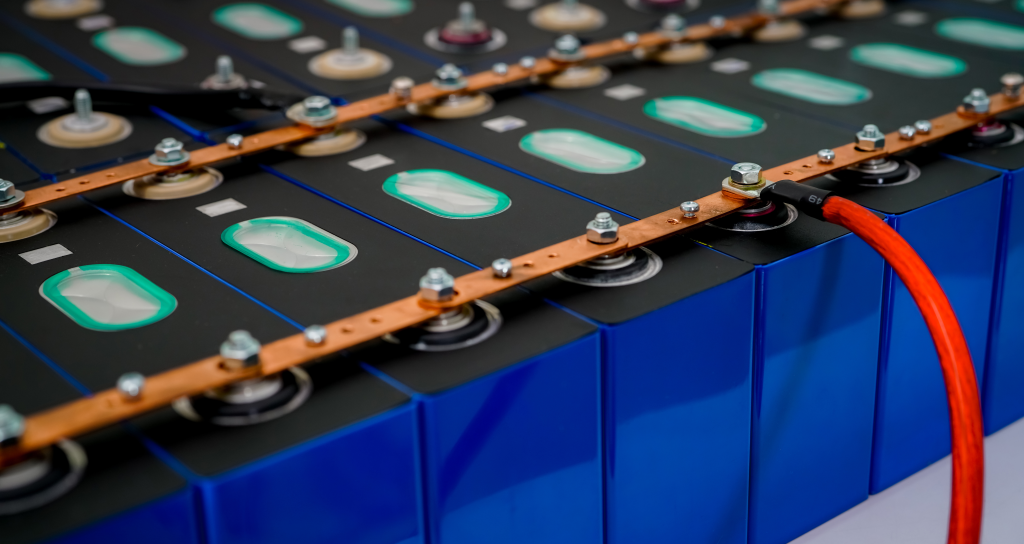
Your electric vehicle battery is possibly its most expensive single component, and it may start to lose range or fail to charge properly after just a few years of use. In California, our defective car protections under the law give you options for seeking compensation.
Electric Vehicle Battery Failures and Your California Consumer Options
Battery packs are the heart of every electric vehicle, and you know something is wrong if your range drops faster than expected, charging sessions end early or never reach full capacity, or the pack overheats and leaves the car undrivable. These problems are different from ordinary wear and tear.
Battery packs are supposed to lose capacity at a gradual rate of roughly 2% per year under normal conditions. Real-world data does confirm this. The average annual capacity loss of these vehicles is 2.3% across all models.
Warranties
Most manufacturers warrant the high-voltage battery for at least eight years or 100,000 miles, with a guaranteed minimum state of health (usually 70% of the original capacity). Newer rules have even tightened that floor for later model years.
If your pack drops below the promised threshold or develops any other defect that substantially limits range, charging ability, or safe operation, the warranty should cover repair or replacement. But what happens when the dealer’s attempt to fix the battery doesn’t work?
Defective Car Protections and How to Access Them
Start Tracking
Keep a simple log of every visit you make to get your battery fixed. Note the date, the reported symptom, the miles on the odometer, and the number of days the vehicle sat in the shop. Ask for a printed repair order each time.
If the same problem returns after two or three visits, or if the car accumulates more than thirty days out of service for battery-related work, that’s the evidence you need to bring a claim.
Know the Law
Once the warranty shop has had a reasonable chance to fix the issue, and the defect still substantially impairs the use, value, or safety of your vehicle, the law requires the manufacturer to replace the vehicle or refund the purchase price. The refund calculation starts with the amount you paid or financed, then subtracts a small mileage allowance based on the miles driven before the first repair attempt for that defect.
Collateral charges such as sales tax, registration fees, and documented towing or rental costs should be included in your refund, and you get to choose between a full repurchase and a cash settlement that lets you keep the car. The manufacturer’s duty is to conform the vehicle to the warranty, not merely to attempt repairs.
Note Range Shortfalls
With batteries, it’s important to document performance, since the issue often can’t be “seen” by a mechanic. Start writing down you range shortfalls every time they drop below both the original rating and the normal degradation curve.
If your battery problems continue after repeated warranty visits, call us today at 1-800-CA-LEMON at the Law Offices of William R. McGee in Carlsbad, CA for a free case review.
Connect with us


The Law Offices of William R. McGee
Proud to be your trusted
California Lemon Law firm
Quick Links
Get In Touch
701 Palomar Airport Road, Suite 250, Carlsbad, CA 92011
Call Us and Speak Directly to an Attorney!
Contact Us